
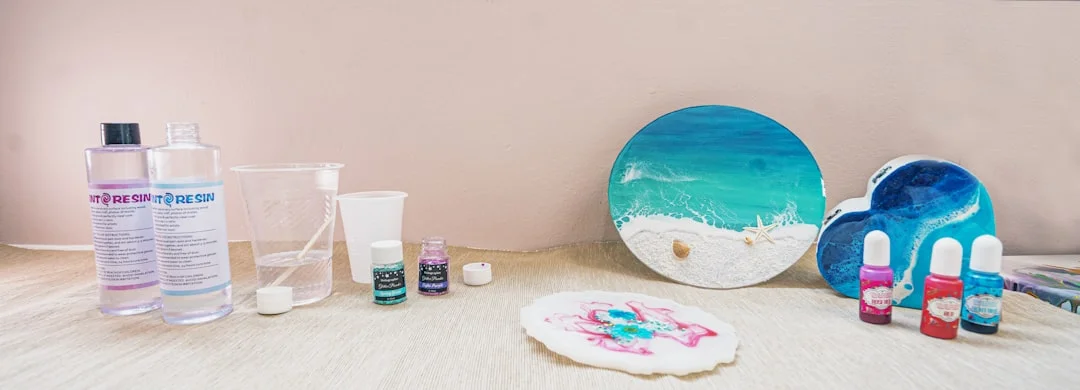
Sourcing resin art kits at wholesale volume carries real financial risk: once hundreds of units are produced, any defect multiplies across your entire inventory. Testing samples before committing to a bulk order is the single most effective way to protect margins and end-customer satisfaction. As of 2026, professional buyers evaluating resin art kits follow a structured process — verifying resin chemistry, cure performance, component completeness, and export-ready packaging — before approving production. This guide walks you through each checkpoint we apply when preparing resin kits for buyers across North America and Europe, so you can sign off on bulk runs with evidence rather than guesswork.
Why Testing Resin Art Kits Before Bulk Ordering Matters
The Risk Hidden in Unsampled Bulk Orders
Every bulk resin order concentrates risk into a single SKU. If a hardener batch is off-spec, a 5% defect rate on a 1,000-unit order leaves 50 unsellable kits — plus returns, refunds, and marketplace listing penalties. Compared to buying loose materials, pre-assembled kits give you less room to catch problems mid-production, because everything is measured, sealed, and packed at the factory before you ever see it.
Where Resin Kits Typically Fail
- Cure failures: resin stays tacky when the resin-to-hardener ratio or mixing steps are unclear
- Component shortages: missing glitter packs, molds, or tools discovered only after packing
- Packaging damage: leaking bottles crushed in transit, especially on long sea freight routes
- Instruction gaps: missing or poorly translated guides that drive negative reviews
In our experience prepping wholesale resin programs, nearly all of these failures are detectable at the sample stage — which is why disciplined buyers never skip validation.
What to Check in Every Resin Art Kit Sample
Component and Chemistry Checklist
Open and inventory each sample against the published contents before mixing anything:
- Resin and hardener: ratio clearly labelled (1:1 or 2:1 by volume are current industry standards), bottles sealed, no crystallization or discoloration
- Shelf life: uncured resin should carry at least 12 months of sealed shelf life from dispatch
- Pigments and fillers: mica powders, glitters, or dyes in consistent portion weights — most kits include 6-12 color portions
- Tools and consumables: mixing cups, stirrers, gloves, and molds proportioned to the finished project
- Instructions: step-by-step guide covering ratio, cure times, and safety warnings in your market's language
| Checkpoint | What Good Looks Like |
| Bottle seal | Induction seal or shrink band; zero leakage when inverted |
| Hardener appearance | Clear to pale liquid; no crystals at 20-25°C |
| Pigment consistency | Identical weight and shade across all sample units |
Five Hands-On Tests to Run Before Approving Production
The Practical Testing Protocol
Run these five tests on every sample unit. The full cycle takes under a week, because most epoxy systems cure tack-free within 24-48 hours and reach handling hardness at 72 hours.
| Test | Method | Pass Criteria |
| Cure test | Mix to the stated ratio; pour a **5mm** layer | Tack-free in 24-48h; hard at 72h |
| Bubble test | Stir slowly for 2 minutes; observe the pour | Self-leveling with minimal trapped bubbles |
| Color accuracy | Cure a swatch of each included pigment | Matches approved reference imagery |
| Completeness audit | Count every component against the packing list | 100% of items present in all units |
| Packaging drop test | Drop the packed kit from **90cm** onto a hard surface | No leaks, cracks, or broken parts |
Add one extended check: leave a cured chip on a sunny windowsill for 7 days beside a shaded control piece to screen for early UV yellowing.
How Many Samples to Request — and How to Judge Batch Consistency
Sampling Volume Guidance
- Request a minimum of 3-5 units, ideally pulled from two different production batches
- Compare viscosity, color, and cure timing across units — visible differences between batches predict inconsistency at scale
- For orders above 1,000 units, consider third-party inspection against an AQL 2.5 sampling standard before shipment
Testing one flattering sample tells you almost nothing; comparing several units side by side is how experienced buyers separate a stable formulation from a lucky batch. We regularly split sample sets across production runs so wholesale buyers can see this variation up front instead of discovering it after goods arrive.
From Approved Sample to Confident Bulk Order
Lock Specifications Before Production Starts
- Freeze a written spec sheet: resin ratio, pigment list, mold sizes, tool counts, and packaging format
- Retain a signed-off golden sample as the production benchmark
- Agree inspection criteria in writing — completeness, bottle sealing, carton markings, and outer-box counts
At KitsNest, our Resin Art Kits collection ranges from beginner pour sets to decorative finished pieces such as the 12-piece Resin Light-Up Christmas Village House Set and the Preserved Dry Flowers Glass Dome Ornament DIY Craft Kit for Wholesale. Through our OEM Craft Kits program we adapt components, branding, and retail-ready packaging for buyers serving North America and Europe, and our QC team checks each batch against the approved golden sample before release. As of 2026, this sample-first workflow remains the standard we recommend to every bulk buyer.
Frequently Asked Questions
How many resin art kit samples should I test before a bulk order?
We recommend 3-5 units drawn from at least two production batches. A single sample can hide batch variation; several units compared side by side reveal whether the formulation, pigment loading, and cure behavior are stable enough to reproduce consistently across a full production run.
How long does resin sample testing take?
Plan for 5-7 days. Most epoxy systems used in craft kits become tack-free within 24-48 hours and reach handling hardness at 72 hours at room temperature (roughly 20-25°C). The remaining days cover the completeness audit, cured color swatch comparison, and the optional 7-day yellowing observation.
What packaging issues should export buyers check first?
Start with bottle sealing (induction seals prevent leakage on sea freight), internal dividers between heavy or glass items, and a 90cm drop test on the fully packed kit. Export-quality cartons bound for North America and Europe should also carry correct shipping marks and accurate component counts on the outer box.
Can I modify a resin art kit before bulk production?
Yes. Through our OEM Craft Kits program you can adjust component selection, add branded elements, change packaging formats, and localize instructions. Any modification is confirmed against an updated golden sample before mass production begins, so what you tested is exactly what ships.
What defect rate justifies rejecting a bulk shipment?
Most professional buyers inspect against an AQL 2.5 standard (ISO 2859-1), under which critical defects — leaking hardener, missing core components, failed cure — justify rejection regardless of the overall percentage. Cosmetic issues are judged statistically based on sampled quantity. Define these thresholds with your supplier before production starts, not after goods arrive.
Related Resources
Related Products (2)

Resin Light-Up Christmas Village House Set 12-Piece Miniature Décor
12-piece resin Christmas village house set with built-in warm-white LED lighting. Pre-painted miniature cottages with snow-dusted roofs, flicker-free glow, and battery-powered operation — ready-to-sell décor for Amazon FBA sellers, gift shops, and subscription boxes.
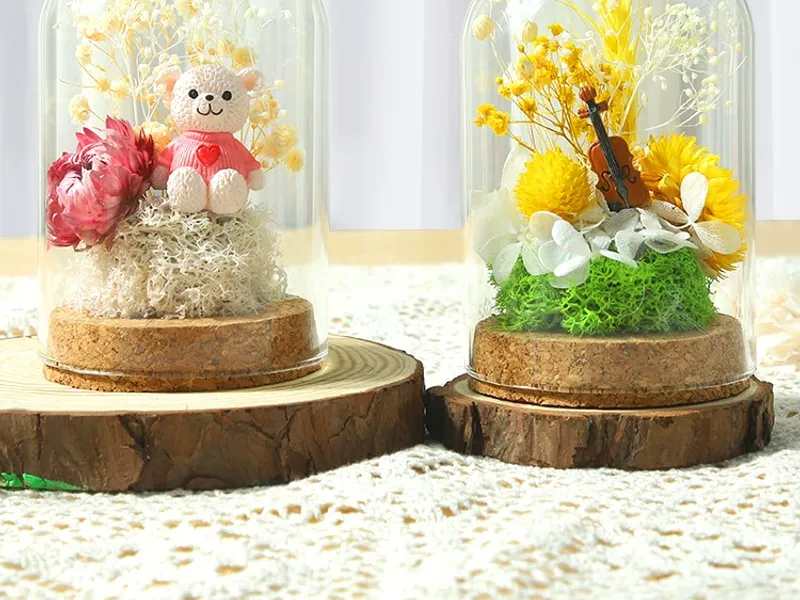
Preserved Dry Flowers Glass Dome Ornament DIY Craft Kit for Wholesale
Complete preserved flower glass dome kit pairing real dried botanicals with a 12cm borosilicate cloche and solid wood base. Assembles in 25 minutes with no glue gun, no drying time, and no floral skill required.
Related Collections
Related Craft Families
Related Solutions
A structured sampling and QC framework for wholesale resin kit buyers
Request Your Resin Kit Sampling Plan