
Understanding what materials are used in premium soap making kits is essential for anyone sourcing wholesale craft supplies, launching a private-label brand, or building a subscription box line. Premium kits combine food-grade soap base, heat-resistant silicone molds, essential oils, and durable tools — all packaged for immediate use. As of 2026, the global demand for artisanal soap making kits continues to grow, driven by consumers seeking safe, natural, and customizable DIY experiences.
At KitsNest, we supply bulk soap making kits to distributors, retailers, and OEM partners across North America and Europe. Our product lines include the Yilan Bailu DIY Grape Soap Making Kit — featuring a 500g essential oil soap base and 12m hemp rope — and our 2 Silicone Mold Set (Grape & Rose), each cavity producing 80–100g bars. Below, we break down every material category, specification, and sourcing consideration.
Core Materials: Soap Base and Additives
What Defines a Premium Soap Base?
The soap base is the foundation of any kit, and premium formulations differ significantly from budget alternatives. Here is what to look for:
| Material Type | Premium Standard | Budget Alternative |
| Glycerin Base | ≥95% glycerin, plant-derived | <80% glycerin, petroleum-derived |
| Fragrance | 100% essential oils | Synthetic fragrance oils |
| Additives | Natural colorants, botanicals | Artificial dyes, plastic glitter |
Our Yilan Bailu soap base comes in 500g blocks, pre-formulated with natural essential oils and moisturizing agents. Compared to loose base blocks sold separately, pre-infused bases cut formulation time by roughly 40% and deliver consistent results batch after batch.
Molds: Silicone Construction and Safety
Food-Grade Silicone: The Industry Standard
Premium soap making kits use platinum-cure or food-grade silicone molds. These molds must withstand repeated heating and cooling cycles without degrading. Key specifications include:
| Mold Feature | Premium Silicone | Low-Cost PVC or TPR |
| Heat Resistance | Up to 440°F | Warps above 250°F |
| Reusability | 500+ cycles | 50–100 cycles before cracking |
| Cavity Yield | 80–100g per cavity | Inconsistent sizing, higher waste |
Our 2 Silicone Mold Set includes a grape cluster design with approximately 24 cavities and a rose flower design with 10–14 cavities. Each mold is translucent white, allowing visual monitoring during soap pouring and curing — a feature absent in opaque or colored alternatives.
Decorative and Functional Accessories
Hemp Rope, Gift Packaging, and Finishing Materials
Premium kits go beyond the base and molds. They include finishing materials that elevate the final product from hobby project to gift-ready item:
Compared to kits that ship only molds and base, our complete sets include gift-ready packaging materials — reducing the need for buyers to source accessories separately. This integration cuts kit assembly time by an estimated 30% for retailers and subscription box curators.
For brands seeking a more tactile, rustic aesthetic, the hemp rope included in our Yilan Bailu kit provides a natural contrast to the translucent soap — a detail that resonates with consumers seeking authentic, handcrafted products.
Tool Selection and Quality Markers
Essential Tools in a Premium Kit
While not every kit includes tools, those that do should meet professional-grade standards. Here is what separates premium tool sets from basic ones:
| Tool Category | Premium Specification | Budget Alternative |
| Stainless Steel | 304/316 grade, corrosion-proof | Mild steel, prone to rust |
| Scale Accuracy | ±0.01g | ±1g or no scale included |
| Thermometer | Digital, instant-read, waterproof | Analog, slow response, fragile |
KitsNest sources tools that meet export-quality standards for North American and European markets. Every batch undergoes QC checks for material integrity and dimensional accuracy before packaging.
Bulk Sourcing and Customization Options
Wholesale and OEM Considerations
For buyers sourcing at volume, understanding material composition is only the first step. Here is what to evaluate when selecting a supplier:
Unlike loose-component sourcing — where you must source base, molds, tools, and packaging separately — pre-assembled kits reduce procurement complexity by an estimated 60%. This is particularly valuable for Amazon sellers, subscription box operators, and retail buyers managing SKUs across multiple product lines.
We work with buyers across the Soap Making Kits category, supporting everything from small-batch artisan brands to large-scale wholesale distributors. Every kit is designed for immediate use, with clear instructions and all materials included.
Frequently Asked Questions
What is the difference between melt-and-pour and cold-process soap bases?
Melt-and-pour bases are pre-saponified, meaning the lye has already been neutralized during manufacturing. They require only melting, adding color or fragrance, and pouring into molds — making them safe for beginners and children. Cold-process soap bases require handling lye (sodium hydroxide) and curing for 4–6 weeks. Premium DIY kits overwhelmingly use melt-and-pour bases for safety and convenience.
Are silicone soap molds safe for food contact?
Yes — food-grade silicone molds are BPA-free, phthalate-free, and certified safe for contact with consumables. They are rated for temperatures from -40°F to 440°F, making them suitable for soap making, chocolate molding, and other food-adjacent crafts. Always verify that the supplier provides material safety documentation.
What is the typical yield per soap making kit?
A standard kit with a 500g soap base and 2 silicone molds (24 grape cavities + 10–14 rose cavities) yields approximately 34–38 soap bars, each weighing 80–100g. This translates to roughly 3.4–3.8kg of finished product per kit, depending on cavity fill rate and trimming waste.
Can I customize the soap base formulation for my brand?
Yes — OEM customization is available at volume. You can specify base composition (glycerin percentage, moisturizing agents), fragrance profile (essential oil blends), colorants (mica powders, natural botanicals), and packaging. Our MOQ for custom formulations starts at 100 units per SKU, with private-label packaging available at 200+ units.
How do premium soap making kits compare to budget alternatives?
Premium kits use food-grade silicone (500+ reuse cycles vs. 50–100 for PVC), plant-derived glycerin bases (≥95% vs. <80%), and natural essential oils (vs. synthetic fragrances). The result is safer materials, better mold release, longer-lasting components, and a finished product that meets consumer expectations for clean, artisanal soap. Budget kits often omit tools, packaging, and quality documentation — increasing hidden costs for buyers.
Related Resources
Related Products (2)
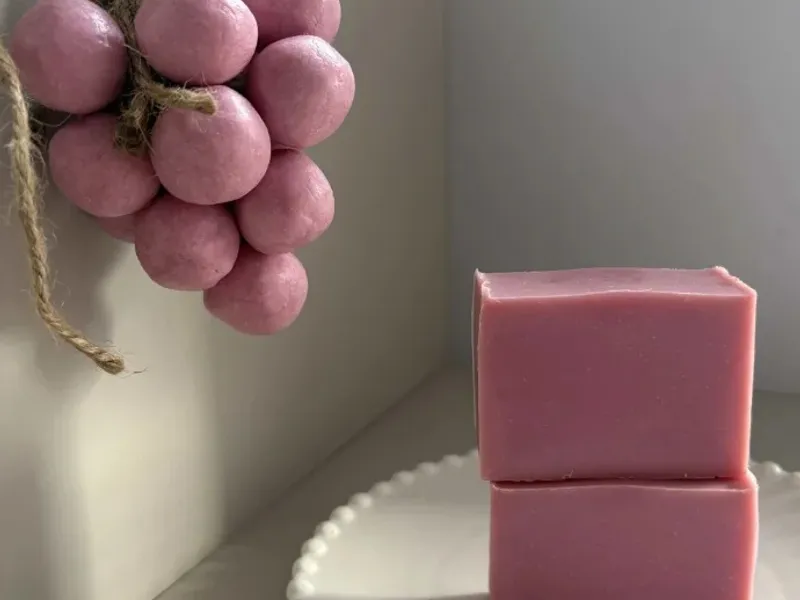
Yilan Bailu DIY Grape Soap Making Kit — 500g Essential Oil Soap Base with 12m Hemp Rope
Complete grape-shaped DIY soap making kit built around a 500g essential oil melt-and-pour soap base and 12m natural hemp rope. Includes silicone grape molds, colorants, fragrance oil, and illustrated instructions for 8-10 finished bars.
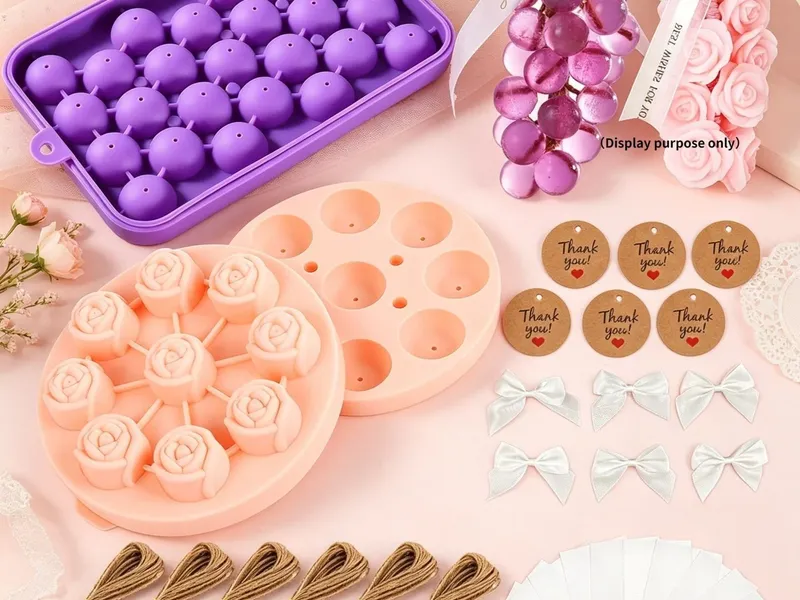
DIY Soap Making Kit — 2 Silicone Molds (Grape & Rose) with Gift Bag & Tags
Complete melt-and-pour soap making kit featuring 2 food-grade silicone molds in grape cluster and rose bloom designs, 500g clear soap base, colorants, fragrance, and ready-to-gift packaging with kraft bag and hang tags. Zero extra tooling required — buyers unbox, melt, pour, and gift.
Related Collections
Related Solutions
A comprehensive guide to soap base, molds, tools, and additives in professional-grade soap making kits
Request a Bulk Soap Making Kit Quote