
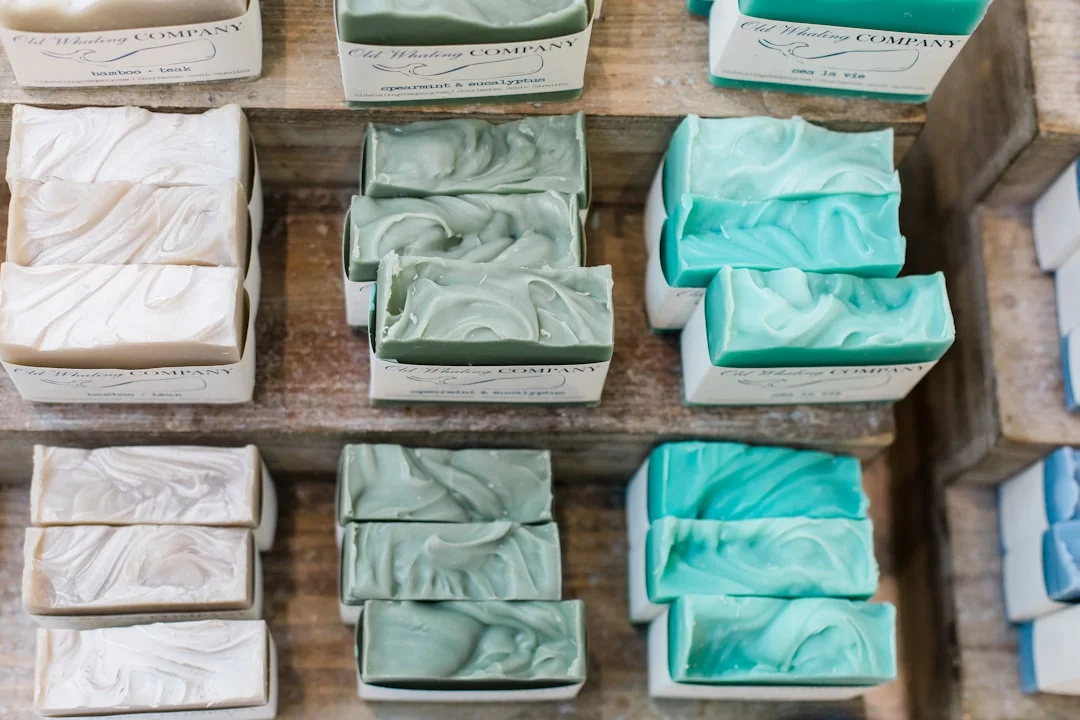
When building a wholesale craft kit inventory — whether for retail shelves, subscription boxes, or Amazon storefronts — two categories consistently generate strong buyer interest: soap making kits and resin art kits. Both serve a growing DIY market, yet they serve it differently. Soap making kits convert bathroom routines into sensory craft experiences, while resin art kits open a wide creative canvas from jewelry to home décor. Choosing which category to prioritize, or how to balance both, depends on your customer profile, fulfillment capabilities, and margin targets. This guide draws on real product data as of 2026 to help wholesale buyers and resellers make an informed stocking decision.
The Core Problem: Picking the Wrong Kit Category Ties Up Capital
Why Category Selection Matters at Wholesale Scale
Buying craft kits in bulk without a clear category strategy is one of the fastest ways to accumulate slow-moving inventory. Soap making kits and resin art kits both photograph well and carry strong perceived value, but they attract meaningfully different buyer profiles and require different operational setups.
The Real Risk
- Soap kits have perishable components (soap base, fragrance oils) with typical shelf stability of 12–24 months from manufacture date — unsold stock beyond that window loses sellability.
- Resin kits contain reactive chemicals (epoxy resin and hardener) with a recommended use-by window of 12 months once opened; bulk overstock can result in waste.
- Stocking the wrong ratio can lock up 30–50% of your working capital in slow-moving SKUs, compared to a balanced two-category approach.
Understanding both categories in depth before committing to volume is the professional approach — and exactly what this guide is built for.
Soap Making Kits for Wholesale: What You Need to Know
Product Profile
Soap making kits at wholesale typically include a melt-and-pour soap base, silicone molds, fragrance or essential oil components, colorants, and packaging accessories. A strong example from our catalogue is the Yilan Bailu DIY Grape Soap Making Kit — a 500g essential oil soap base paired with 12 meters of natural hemp rope for decorative wrapping, designed as a complete hands-on workshop kit. Similarly, the DIY Soap Making Kit — 2 Silicone Molds (Grape & Rose) with Gift Bag & Tags provides food-grade BPA-free silicone molds with 24-cavity grape and 10–14 cavity rose designs, producing bars of 80–100g each.
Key Specifications at a Glance
| Attribute | Typical Soap Making Kit |
| MOQ (our range) | **50 units** per SKU |
| Shelf life (soap base) | **12–24 months** |
| Skill level required | Beginner–Intermediate |
| Core audience | Workshop organizers, gift retailers, spa brands |
| Customization options | OEM packaging, private label, fragrance mix |
| Kit weight (example) | ~600–800g per complete kit |
Wholesale Strengths
- Low barrier to entry: No specialist equipment required; melt-and-pour soap base needs only a microwave or double boiler.
- Gift-ready presentation: Soaps naturally lend themselves to gift packaging, driving sell-through at retail and event channels.
- Workshop monetization: A single 50-unit MOQ order can supply approximately 4–6 workshop sessions of 8–10 participants, making it attractive for educational craft kit buyers.
- Consumable repeat business: Unlike tools, soap is used up — wholesale buyers come back for replenishment orders.
Wholesale Considerations
- Soap base is temperature-sensitive; shipping in summer months requires attention to packaging insulation.
- Fragrance regulations (IFRA compliance) vary by export market — verify compliance documentation before selling into EU or North American retail channels.
- Compared to resin kits, soap kits have a narrower creative output range: the end product is always a soap bar, limiting perceived novelty after a customer's first purchase.
Resin Art Kits for Wholesale: Broader Canvas, Higher Complexity
Product Profile
Resin art kits for wholesale span a wide creative spectrum — from jewelry casting and tray making to decorative figurines and home décor sets. A notable example from our range is the Resin Light-Up Christmas Village House Set 12-Piece Miniature Décor, a semi-handmade, semi-mechanical resin product weighing 417g per set in a 19.5cm × 7cm × 30cm packaged format — demonstrating how resin kits can deliver premium, display-ready finished goods.
Key Specifications at a Glance
| Attribute | Typical Resin Art Kit |
| Skill level required | Intermediate–Advanced |
| Core audience | Artists, hobbyists, subscription box curators, Amazon sellers |
| Resin pot life (typical epoxy) | **20–45 minutes** working time |
| Full cure time | **24–72 hours** depending on formulation |
| Customization options | OEM, private label, color pigment selection |
| Chemical handling | Required: gloves, ventilation, protective eyewear |
Wholesale Strengths
- High perceived value: Finished resin pieces — trays, coasters, jewelry, sculptures — retail at 3–5× the raw material cost, supporting strong margin positioning for resellers.
- Creative versatility: A single resin art kit format can yield 10+ different project types (jewelry, coasters, ornaments, figurines), giving buyers broad content marketing potential.
- Subscription box compatibility: Resin kits pair well with monthly creative themes; their visual drama photographs exceptionally well for unboxing content.
- Durable finished goods: Unlike soap, the finished resin artwork is permanent — buyers can use kits as both a craft activity and a home décor production tool.
Wholesale Considerations
- Resin components are classified as hazardous materials in certain shipping categories — confirm carrier compliance before shipping internationally.
- The intermediate skill requirement means higher customer support volume; clear instruction design is critical to positive reviews.
- Compared to soap kits, which can be completed in under 2 hours, resin projects often require 24–72 hours of curing time, which affects workshop scheduling and perceived instant-gratification value.
- Epoxy resin has a 12-month shelf life post-manufacture; bulk buyers should plan inventory turns accordingly.
Head-to-Head Comparison: Soap Making Kits vs Resin Art Kits
Direct Comparison for Wholesale Buyers
| Factor | Soap Making Kits | Resin Art Kits |
| **MOQ entry point** | 50 units | Varies by supplier; often 50–100 units |
| **Skill level** | Beginner-friendly | Intermediate–Advanced |
| **Project completion time** | 1–3 hours (plus curing) | 24–72 hours (curing required) |
| **Shelf life** | 12–24 months (soap base) | ~12 months (resin components) |
| **Regulatory complexity** | IFRA fragrance compliance | Hazmat shipping classification |
| **Best sales channel** | Gift retail, spa, workshop, subscription | Amazon, art supply, subscription, hobby retail |
| **Repeat purchase rate** | High (consumable product) | Moderate (project-based) |
| **Customization depth** | Fragrance, mold shape, packaging | Pigment, mold, inclusions, packaging |
| **Workshop suitability** | Excellent (quick, clean) | Moderate (fumes, cure time) |
| **Average finished output** | 8–24 soap bars per kit | 1–6 resin pieces per kit |
Key Insight
Soap making kits consistently outperform resin kits in workshop and gifting channels due to their low skill floor, short completion time, and giftable output. Resin art kits outperform in hobbyist, subscription box, and Amazon seller channels where higher perceived creativity and visual complexity drive engagement and content creation.
For wholesale businesses serving multiple channels simultaneously, carrying both categories and positioning them to distinct buyer segments is the most defensible inventory strategy as of 2026.
Which Kit Category Fits Your Business Model?
Matching Kit Type to Your Wholesale Use Case
Choose Soap Making Kits If You Are:
- A subscription box curator targeting wellness, self-care, or lifestyle themes — soap kits deliver tangible, aromatic products that resonate with monthly unboxing audiences.
- A workshop kit supplier for schools, corporate team-building, or community centres — the 50-unit MOQ and beginner-friendly format allow flexible session sizing.
- A gift retailer or marketplace seller where gift-ready presentation and broad demographic appeal (children, adults, seniors) are priorities.
- A brand building toward private label cosmetics — soap kits offer a clear pathway to OEM and custom packaging at 100+ unit thresholds.
Choose Resin Art Kits If You Are:
- An Amazon seller in the arts and crafts category where resin kits generate strong keyword volume and high-value reviews.
- A hobby and art supply wholesaler serving customers who value technical craft progression and premium finished results.
- A subscription box operator targeting artistic or creative maker audiences willing to invest time in multi-session projects.
- A seasonal décor wholesaler — resin ornament and figurine kits (such as the Resin Light-Up Christmas Village House Set 12-Piece Miniature Décor) serve the Holiday Collections market strongly.
Consider Stocking Both If:
- Your catalogue serves 3 or more distinct buyer segments — the categories complement rather than cannibalise each other.
- You operate a wholesale craft kits supply model and need breadth to compete for full-assortment retail buyer contracts.
- You are building toward a private label craft kits programme and want to test market response across two product families before committing to OEM tooling.
For reference, our Soap Making Kits and Resin Art Kits collections are both available for wholesale inquiry with mixed-category assortment options.
Frequently Asked Questions
What is the minimum order quantity when buying soap making kits or resin art kits for wholesale?
For soap making kits in our range — such as the DIY Soap Making Kit with 2 Silicone Molds (Grape & Rose) and the Yilan Bailu DIY Grape Soap Making Kit — the minimum order quantity is 50 units per SKU. Mixed mold assortments and private-label packaging are available from 100 units. Resin art kit MOQs vary by product complexity; entry-level kits typically start at 50–100 units. Both categories support mixed-assortment ordering, which is useful for buyers testing multiple SKUs before committing to a single design at volume.
Are soap making kits or resin art kits better suited for subscription box businesses?
Both categories work well in subscription box formats, but for different reasons. Soap making kits offer sensory appeal (fragrance, texture, colour), a quick completion time of 1–3 hours, and a giftable finished product — making them ideal for wellness and self-care box themes. Resin art kits generate strong visual content (dramatic pours, glitter inclusions, luminous finished pieces) that drives social sharing and subscriber retention, making them better suited to creative maker and art-focused boxes. If your subscription box serves a broad audience, rotating between both categories across months is a proven strategy for maintaining variety and reducing subscriber churn.
Can soap making kits and resin art kits be custom-branded or private labelled for wholesale?
Yes, both categories support OEM and private label customisation. For soap making kits, custom options include branded packaging, custom fragrance or essential oil blends, and logo printing on gift bags and tags — available from 100 units. For resin art kits, customisation typically covers pigment colour selection, branded instruction cards, and custom retail packaging. Full OEM tooling (custom mold shapes or product designs) generally requires a higher volume commitment. If private labelling is a priority, discuss your programme requirements with our wholesale team to confirm per-category thresholds and lead requirements.
What regulatory considerations apply when selling soap making kits or resin art kits internationally?
Soap making kits containing essential oils or fragrance components are subject to IFRA (International Fragrance Association) compliance standards, particularly for export into the EU and North American markets. Buyers should request IFRA compliance documentation and SDS (Safety Data Sheets) for all fragrance ingredients before listing on regulated retail platforms. Resin art kits containing epoxy resin and hardener may be classified as hazardous materials under certain shipping carrier regulations (IATA for air, IMDG for sea). Ensure your logistics provider is briefed on the chemical contents of your resin kit SKUs before arranging international shipments. Always verify current import regulations for your target market, as classification standards are updated periodically.
How do I decide between stocking soap making kits vs resin art kits for an Amazon seller business?
For Amazon sellers, resin art kits tend to generate stronger keyword search volume in the arts and crafts category and support higher average selling prices due to the perceived creative complexity and premium materials involved. Soap making kits perform strongly in the gifts, health, and beauty-adjacent categories and benefit from repeat purchasing behaviour since soap is a consumable. A data-driven approach is recommended: run a small test batch of both categories (starting at the 50-unit MOQ) and compare conversion rates, review quality, and return rates before scaling to deeper inventory. Both categories are eligible for Amazon FBA fulfilment, but note that resin kits with reactive chemical components may require additional FBA hazmat review and approval before listing.
Related Resources
Related Products (2)
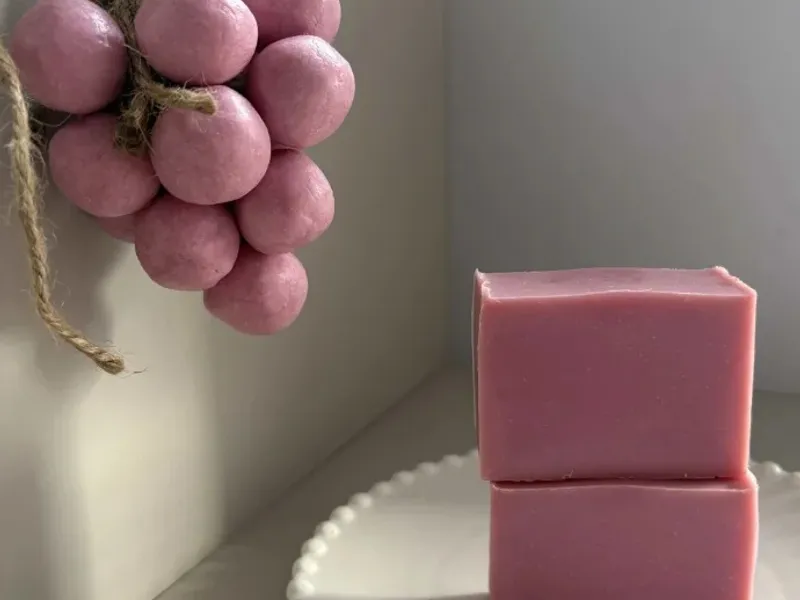
Yilan Bailu DIY Grape Soap Making Kit — 500g Essential Oil Soap Base with 12m Hemp Rope
Complete grape-shaped DIY soap making kit built around a 500g essential oil melt-and-pour soap base and 12m natural hemp rope. Includes silicone grape molds, colorants, fragrance oil, and illustrated instructions for 8-10 finished bars.
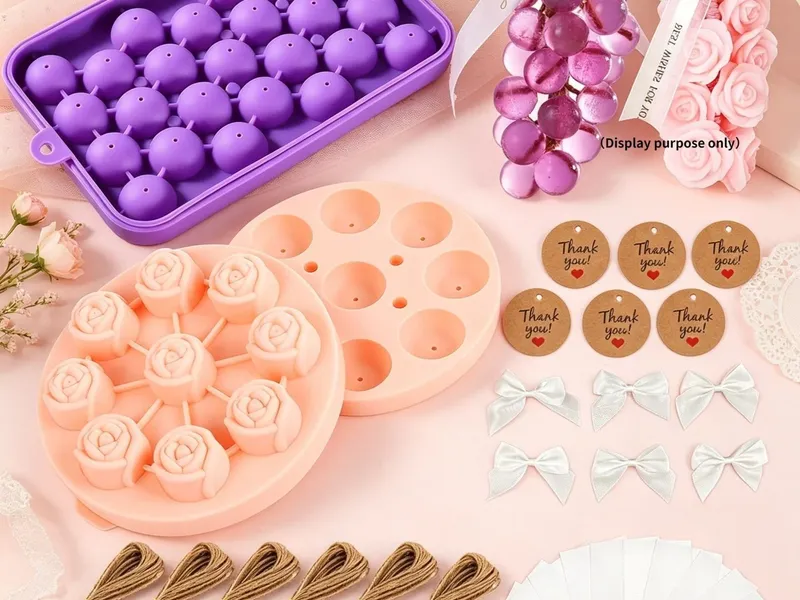
DIY Soap Making Kit — 2 Silicone Molds (Grape & Rose) with Gift Bag & Tags
Complete melt-and-pour soap making kit featuring 2 food-grade silicone molds in grape cluster and rose bloom designs, 500g clear soap base, colorants, fragrance, and ready-to-gift packaging with kraft bag and hang tags. Zero extra tooling required — buyers unbox, melt, pour, and gift.
Related Collections
Related Solutions
Compare margins, MOQ, audience fit, and operational complexity before you stock at scale
Request a Wholesale Craft Kit Quote Today